 Montpellier Hub
Tactical Landscape of Montpellier's Recent Matches
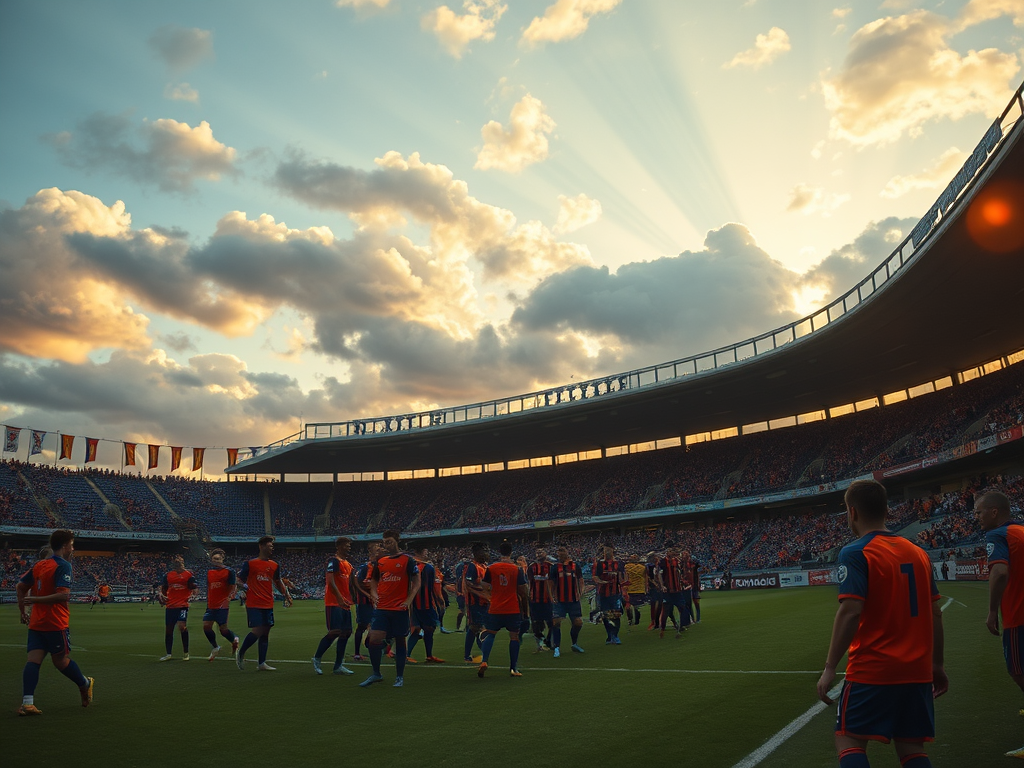
Montpellier's recent form has been a mixed bag, showcasing both their attacking prowess and defensive vulnerabilities. As La Paillade navigates through the season, the tactical setup has revealed areas warranting attention and adjustment. Recent matches have highlighted a tendency towards a high-press style, which, while effective at times, has also left the backline exposed, particularly against teams that excel in counter-attacking football.
Strengths: Attacking Fluidity
One aspect that has stood out positively is Montpellier’s attacking fluidity. The interplay between forwards and midfielders, particularly the movement of players like Elye Wahi and Téji Savanier, has created several goal-scoring opportunities. However, this attacking style needs to be complemented by a more structured defensive framework to ensure that the team can maintain balance.
Defensive Gaps: A Cause for Concern
Defensively, Montpellier has struggled with organization, especially during transitions. The full-backs often push high up the pitch to join the attack, leaving gaps that opposing teams can exploit. In matches where possession is lost in midfield, the lack of immediate cover for the central defenders has frequently resulted in dangerous counters. A strategic tweak would be to implement a more conservative approach from the full-backs, allowing them to hold their positions until the ball is secured.
Suggested Tactical Tweaks
1. Reinforcing the Midfield: Introducing a more robust midfield structure could help in breaking up opposition attacks before they reach the defensive line. A pivot system with two holding midfielders could provide both defensive stability and support for the attacking players, ensuring that transitions are better managed.
2. Full-Back Adjustments: Encouraging full-backs to stay wider rather than pushing inside could stretch the opposition and create spaces for wingers to exploit. This would also ensure that there are defensive bodies ready to respond to counter-attacks, maintaining a more solid shape.
3. Pressing Strategy: While Montpellier’s high press has been effective in disrupting opponents, it needs to be more calculated. Implementing a trigger for the press—such as a specific player receiving the ball in a dangerous area—could maximize effectiveness while minimizing risks associated with being caught out of shape.
4. Utilizing Squad Depth: Montpellier possesses a diverse squad with players capable of fulfilling various roles. Rotating players based on match context and opposition strengths could inject fresh energy into the side while keeping players from becoming fatigued.
Conclusion: Embracing Tactical Adaptability
As Montpellier looks to solidify their position in the league, embracing tactical adaptability will be crucial. The potential is evident, but without the right adjustments, their recent performances may not translate into sustained success. By addressing these tactical nuances, Montpellier can enhance their overall gameplay, making La Paillade a formidable presence in Ligue 1 once again.